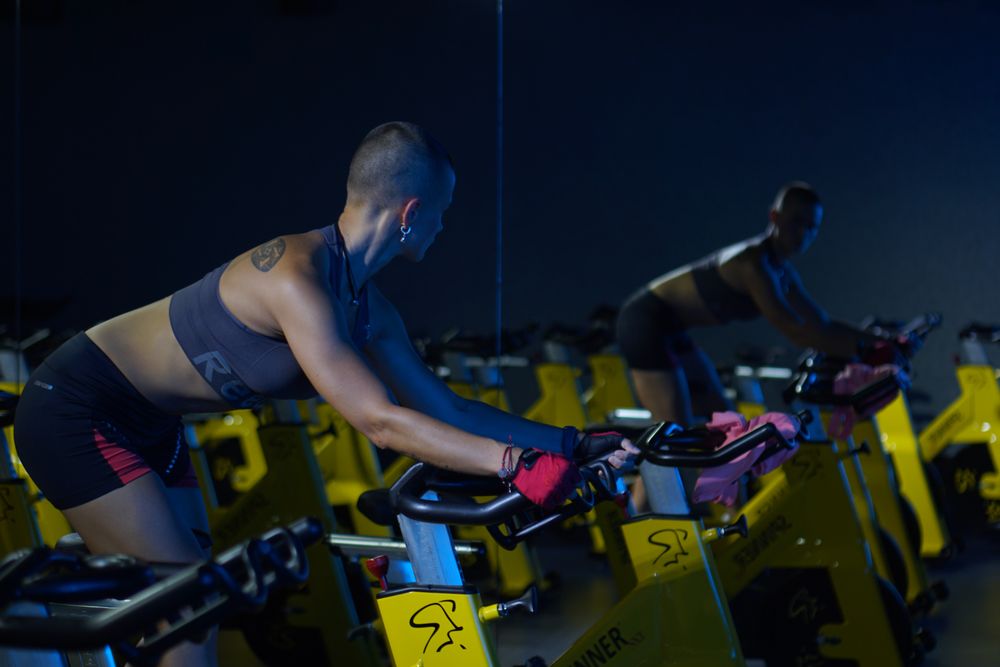
What to Know
Spinning is an exercise approach performed on a stationary bike, structured around pedalling pace and resistance. Depending on the class, music, guidance and different work sections may create a sequence. From the outside, everyone may appear to be making a similar movement on the same kind of bike, but the experience is not limited to turning the pedals. Learning about the equipment and the terms used is an important part of getting started.
Cadence is the term used to describe pedalling speed. Resistance relates to the load the bike provides against the pedalling movement. These are different concepts. How they are used within a session can depend on the bike and the class flow. Rather than copy someone else’s numbers or settings, focus on understanding the guidance given in the class.
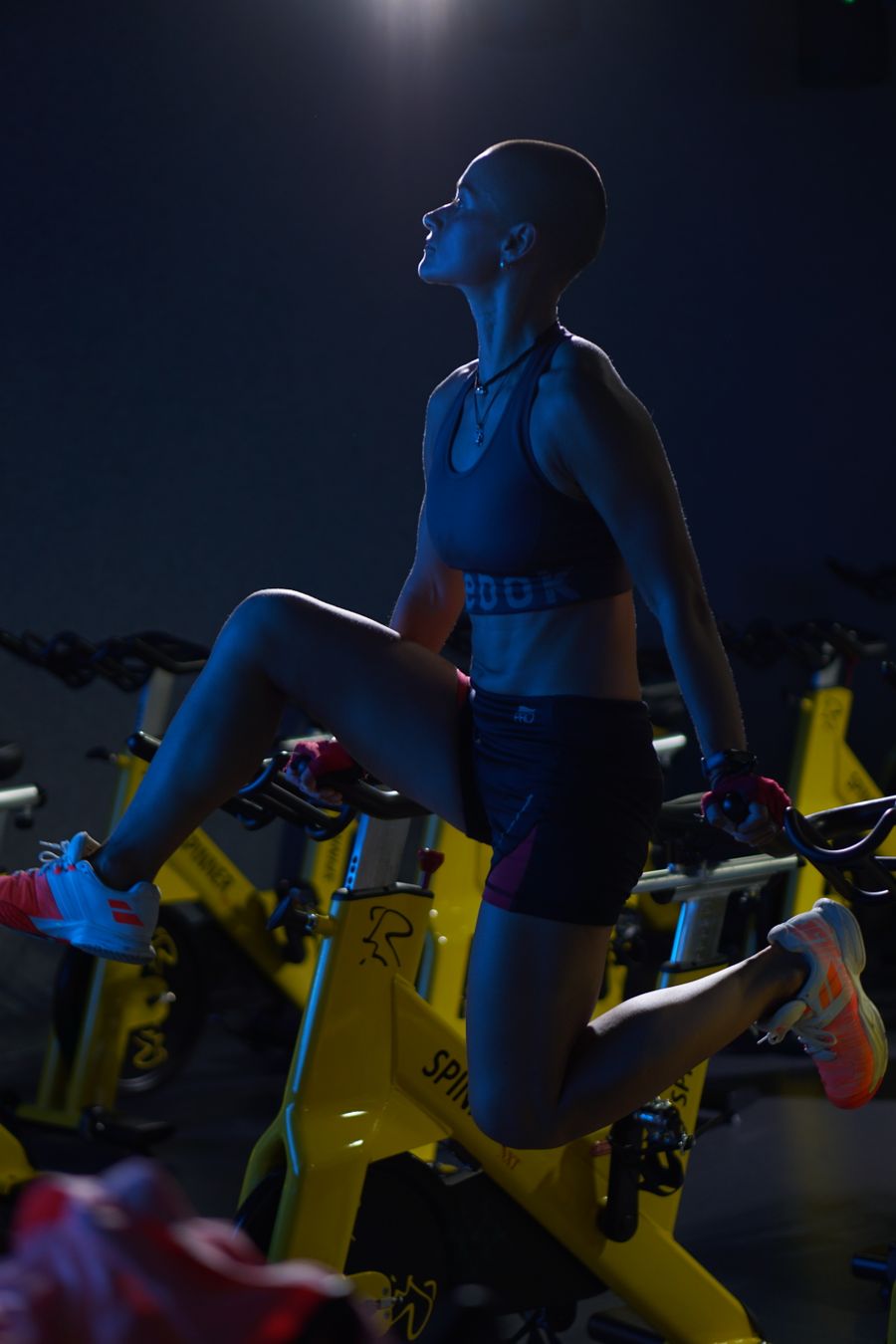
A bike may have adjustable components such as the saddle and handlebars. Before the first visit, ask which equipment is used and how setup guidance is provided. Following information about the actual bike and the class is a clearer starting point than guessing adjustments or applying one online recommendation to every bike. You can prepare questions about unfamiliar equipment beforehand.
One common expectation is that every Spinning class must feel like a race. Another is that, when music is involved, everyone must work at the same pace in exactly the same way. It is better to learn how the class you are considering is structured before reaching those conclusions. Ask for specific information about its purpose, flow, guidance and participation options.
During the first conversation, explain whether you have used a stationary bike before, the kinds of movement you enjoy and the class setting you are looking for. Duration, scheduling and preparation details matter too. Consider whether a plan that looks workable on your easiest day would still fit during busier periods. A popular class does not automatically suit your own calendar and preferences.
Comfortable clothing, water and current information about suitable footwear can make preparation simpler. Ask beforehand whether a towel or anything else is expected. Allowing time for travel and an introduction to the equipment helps avoid rushing the first experience. Preparation is about arriving with an understanding of the session, rather than achieving a particular level of performance beforehand.
After class, you do not have to evaluate the experience only through speed, distance or another number. Was the guidance clear, could you ask your equipment questions, and did you enjoy this way of working? These questions offer a more personal framework for planning the next step. If you enjoy rhythm and are curious about working on a bike, explore the current class content as you consider your options.
