What to Know
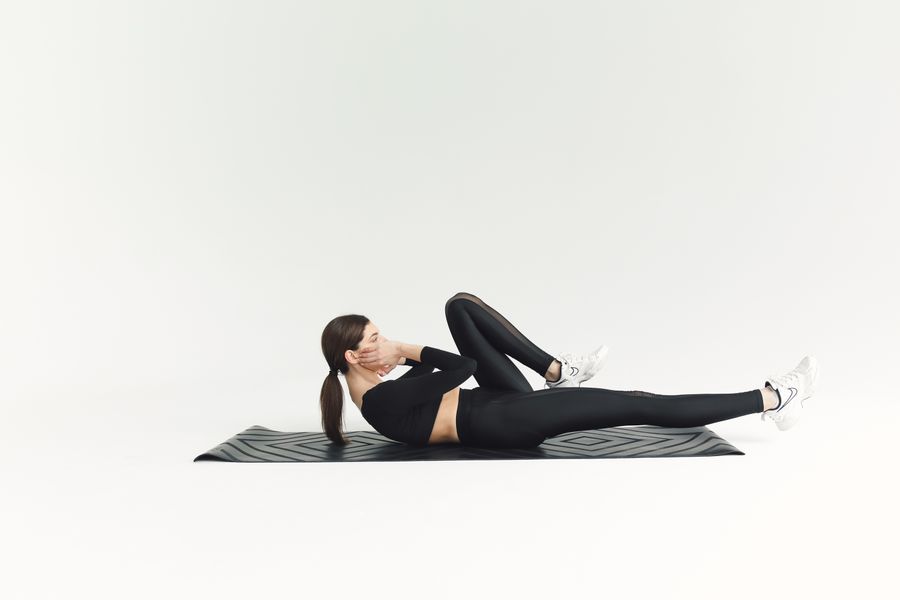
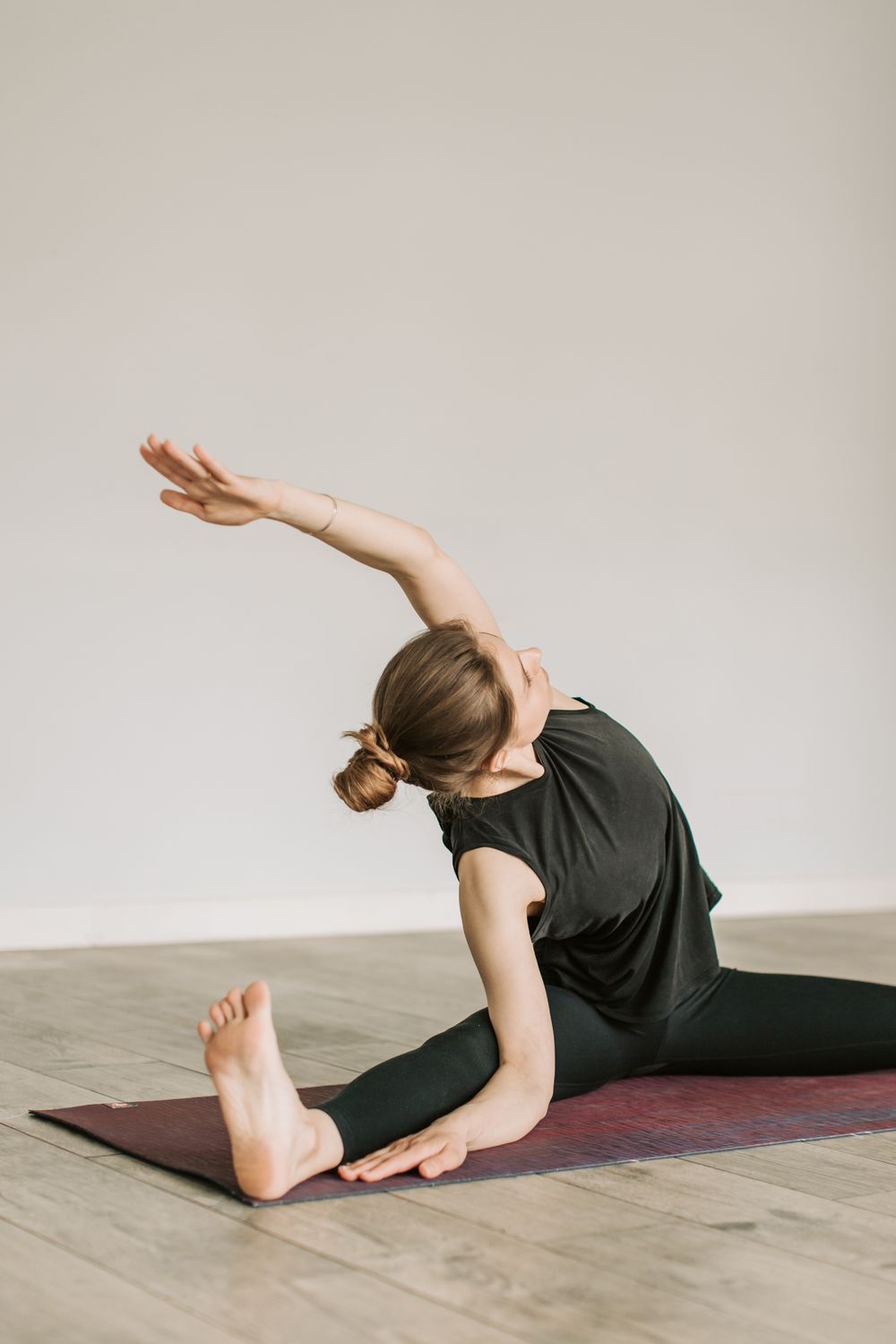
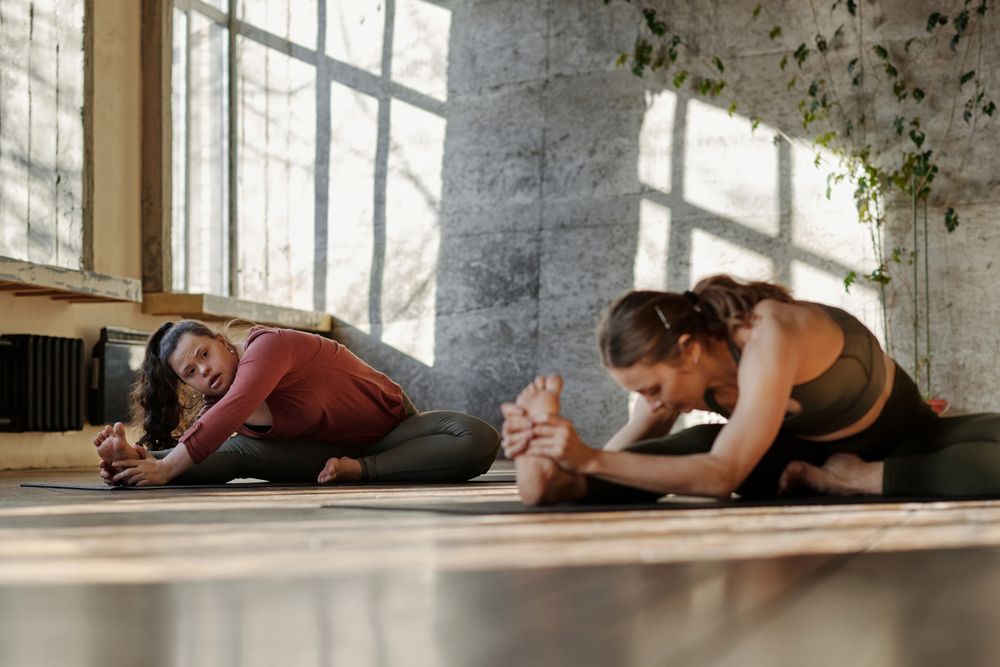
When exploring Pilates with Gizem Köymen, breathing can be understood as part of movement rather than a command that must always happen at one exact moment. Ventilation continuously changes the shape of the trunk and its internal pressure relationships. It also continues alongside everyday tasks such as speaking, balancing and carrying. The aim is not to remove that natural variability. It is to understand how breathing and support are coordinated under different demands. Appearance alone cannot establish whether a particular breathing pattern suits a person or a task.
The diaphragm contributes to breathing and support
The diaphragm is a dome-shaped muscle separating the thoracic and abdominal cavities. Its contraction during inhalation contributes to an increase in chest volume. However, it is more than a pump for drawing air inward. Together with the abdominal wall, pelvic floor and back muscles, it also participates in the mechanical behavior of the trunk. These roles can coexist: people usually breathe while responding to outside forces. This is why the idea that meaningful support always requires stopping respiration is misleading. Breathing and stabilization need coordination, rather than automatic separation into competing tasks.
Abdominal pressure is regulated rather than maximized
The abdominal cavity can be pictured as a changeable volume bounded above by the diaphragm, around its sides by the abdominal wall and below by the pelvic floor. Muscle activity and respiration contribute to pressure regulation within that space. Pressure is one component of trunk support; it does not explain the entire stabilization process. A higher pressure is not automatically better control. Moving one arm gently and responding to a substantial external load create different demands. Recognizing unnecessary effort can therefore be as useful as recognizing insufficient support for a particular movement.
Rib movement can coexist with trunk control
The rib cage is a moving structure that can expand in several directions during respiration. Instructions to breathe into the sides or back are attention cues. They do not mean that air travels exclusively to those locations. Air enters the lungs, while visible movement reflects the behavior of the chest wall and surrounding tissues. Moving ribs do not automatically indicate lost support. Conversely, trying to prevent any rib motion does not necessarily create a more controlled technique. The movement task and the requirements of comfortable ventilation both need to be considered.
Timing depends on the movement task
Exhaling during an effortful phase can provide a clear coordination cue while learning. Nevertheless, there is no single unchanging inhalation and exhalation rule for every Pilates exercise. Direction, speed, support surface and individual habits can all influence timing. Abdominal muscle activity may change during expiration, but that does not mean every abdominal muscle should be contracted as forcefully as possible. Sustaining breathing through a longer sequence differs from organizing a brief challenging transition. Understanding this distinction makes instructions more useful and allows timing to be discussed without treating variation as an automatic technical failure.
Holding the abdominal wall still is not the same as regulating it
Instructions such as draw the abdomen inward or close the ribs can produce very different responses. One person may make a small adjustment in attention, while another tightens the jaw, shoulders and entire trunk unnecessarily. A flat-looking abdomen is not proof of effective pressure management. Support adapts throughout a task rather than operating as a lock held at one fixed intensity. Likewise, forcefully squeezing the pelvic floor with every breath is not a universal requirement. Individual needs can be more complex than a general instruction suggests, and outward appearance cannot reveal every relevant detail.
Useful observations do not amount to a diagnosis
During a movement, it may be useful to discuss where breathing pauses, whether the shoulders rise noticeably and whether the pace makes ventilation harder. These observations help describe the task; they do not independently diagnose a problem. The person's account of effort and sensation adds information that cannot be seen from outside. Breathlessness, dizziness or pain should not be treated as ordinary technical goals; activity can be stopped while appropriate assessment is sought. In a conversation about Pilates with Gizem Köymen, describing experience is more useful than assuming breathing must become perfect. The essential idea is that respiration and support can change together according to demand, rather than following one rigid pattern for everybody.